Series

ANTIDOTE • Essay
Rejecting individualistic paradigms, ANTIDOTE confronts the narcissistic logics that shape contemporary life, where presence becomes performance and technology operates as a mechanism of control. Against this dystopian backdrop, ANTIDOTE proposes a counter-imaginary rooted in Indigenous worldview and embodied critique.
Bringing together five major series—The Land of Never After, Macondo, Las Ciénagas, Ahícito Nomás and In Limbo—the project articulates a sustained engagement with climate resilience, social justice and gender equality.
Across these works, Vernaschi traces Argentina’s recurrent oscillations between polarized populisms, reimagines the meeting point of magical realism and climate upheaval in Colombia’s Caribbean coast, reflects on the interplay between ancestral and modern feminist perspectives in the Andean Altiplano, and probes the intensifying disputes around land-grabbing and the struggle for ancestral rights in Patagonia.
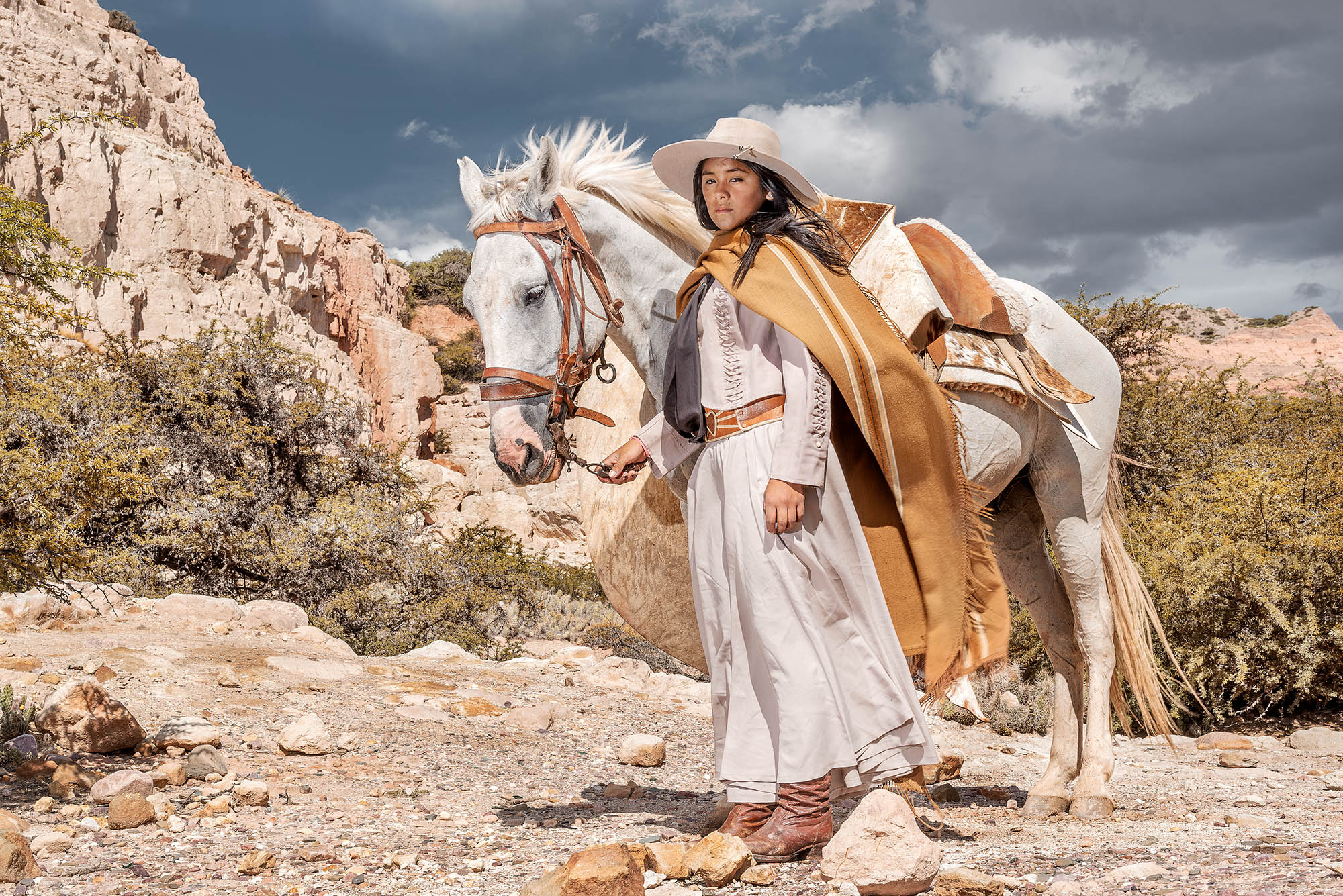
ANTIDOTE • The Land Of Never After
In Argentina, time seems to flow differently than in any other country, looping in circles rather than progressing in a straight line. A glance over the past two centuries reveals a recurring pattern in the country’s history: a pendulum-like swing between populist governments from both ends of the political spectrum, conservative and progressive. While political alternation is a hallmark of healthy democracies, Argentina’s case is uniquely marked by abrupt shifts between extreme ideologies, undermining progress toward long-term stability.
In today’s Argentina, led by self-identified anarcho-capitalist president Javier Milei, the government’s overtly declared “cultural war” on social equality, human rights, environmentalism, and pluralism. After decades of failed populist policies riddled with corruption and an economy in ruins, Milei’s rhetoric of hatred, and promise of a market-ruled society with no social spending, have found fertile ground in Argentina’s collective frustrations and despair. Rooted in his socially divisive discourse and narrative of enemies, his radical, ultra-libertarian experiment appears set to perpetuate yet another cycle in the country’s historical loop.
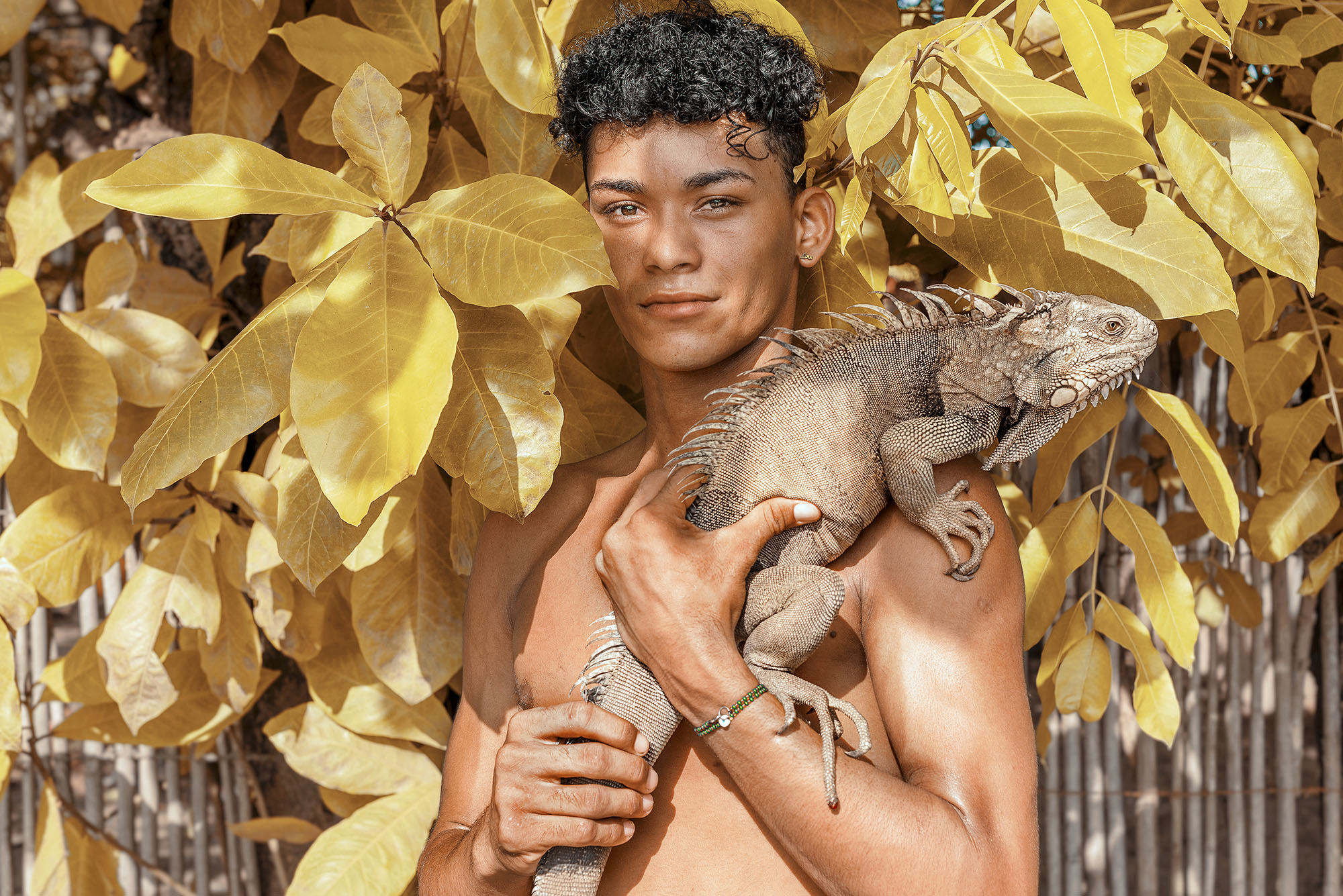
ANTIDOTE • Macondo
Marco Vernaschi’s MACONDO delves into the complexities of existence along the Magdalena River amidst an exceptionally challenging climatic backdrop, entwining the essence of Colombian magical realism with climate resilience. Inspired by the fictional town created by Gabriel García Márquez and deeply rooted in the rich legacy of his literary oeuvre, Vernaschi’s Macondo encapsulates the enchantment of everyday life, revealing the spirit, isolation and symbiotic relationship with nature that characterize the communities of fishermen inhabiting the swampy region of Magdalena and Bolivar, one of Latin America’s largest aquatic ecosystems.
In that bucolic landscape, people are navigating the increasing challenges caused by climate change. As El Niño tightens its grip, the relentless surge in extreme heat poses a formidable threat to their traditional way of life. The once abundant fish population, essential for sustenance, dwindles under the scalding touch of rising temperatures. As a consequence, fishermen are exploring alternative sources of food and income, turning to caiman hunting or occasionally engaging in illegal wildlife trade.
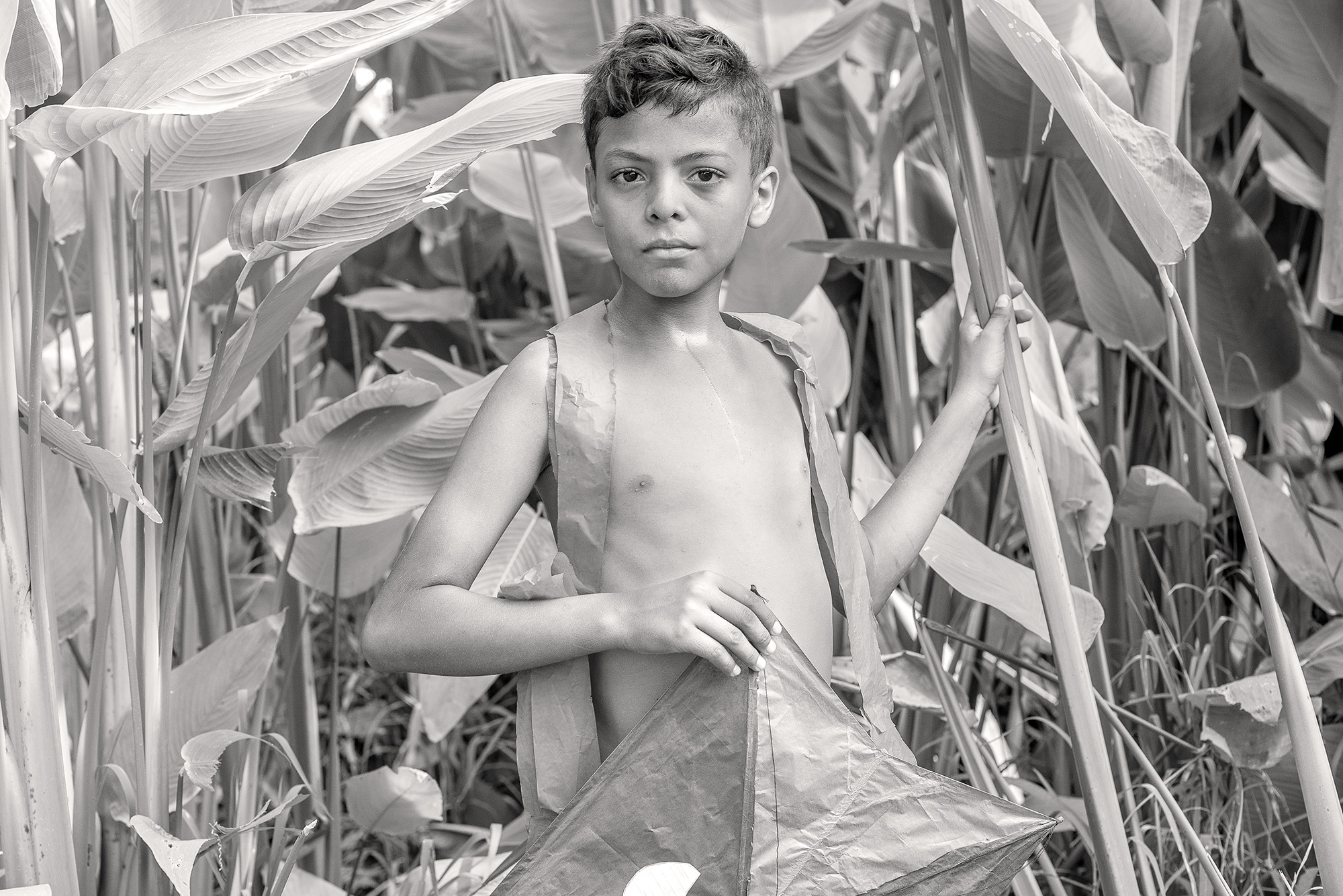
ANTIDOTE • Las Ciénagas
Las Ciénagas forms part of a broader visual inquiry into the dialogue between magical realism and climate resilience in Colombia’s Caribbean region.
While “Macondo” delves into the aftermath of El Niño, this series turns to its counterpart, La Niña, and to the fishing communities who must navigate its consequences. If El Niño brings drought, extreme temperatures, and scarcity, La Niña arrives with the opposite force: torrential rains, swelling rivers, plunging temperatures, and devastating floods—together forming a relentless climatic cycle that governs the rhythm of life along the Magdalena River.
As the riverine communities shift from one phase to the other, they move between two forms of precarity: from coping with dwindling food and water to reinforcing their fragile homes in anticipation of the next wave of floods. This cyclical oscillation between opposing yet inseparable climate phenomena has become a defining feature of life in the Caribbean lowlands—one of Latin America’s most radical expressions of collective resilience.
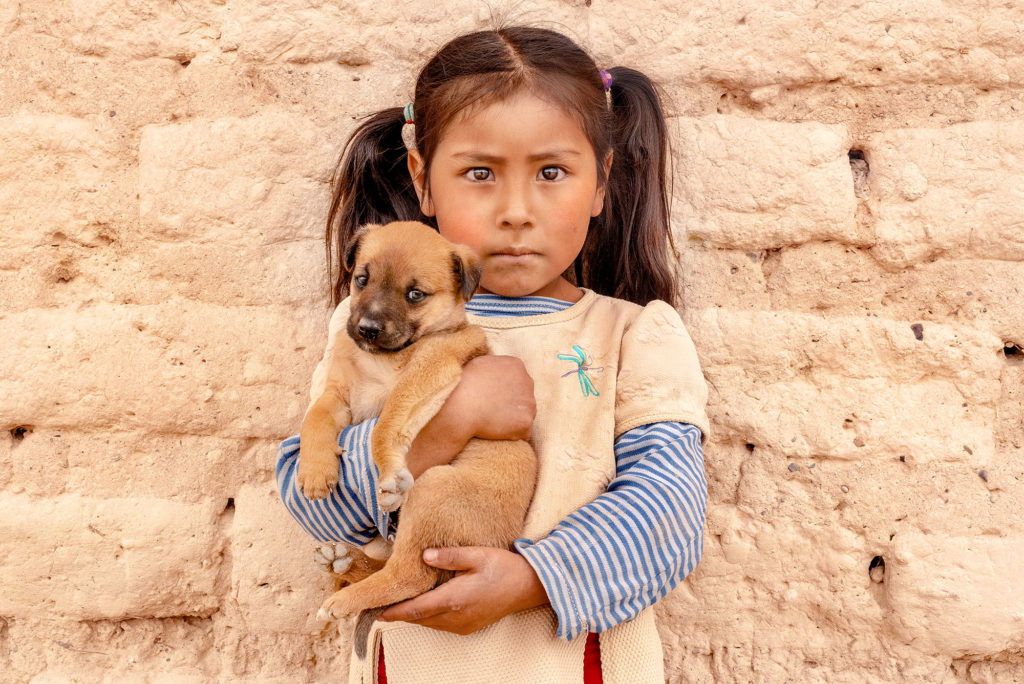
ANTIDOTE • Ahícito Nomás
Argentine writer Héctor Tizón, described the feeling of being in the Andean Altiplano rather effectively: “Here the earth is hard and sterile; the sky is blue and empty, and it’s closer than anywhere else. In this land, where it is hard to breathe, people depend on many gods”.
Primarily, Andean communities rely on women. They venerate Pachamama, the supreme goddess and universal Earth Mother. As a female deity, Pachamama embodies the fundamental values that define the essence of the Andean worldview, known as Cosmovision — a convergence of religious and ancestral beliefs, serving as the philosophical foundation for the Rights of Nature.
AHICITO NOMAS explores the core values within Cosmovision, weaving together the inspiring stories of Indigenous matriarchs, community leaders, teachers, LGBTQ+ activists, mothers, and violence survivors — women who, through their personal stories, embody the true essence of feminism.
ANTIDOTE • In Limbo
On November 11th 2024, Argentina was the only country among 168 to vote against a UN resolution on indigenous rights. President Milei addressed the UN General Assembly, declaring, “We are at the end of a cycle. The UN ideological 2030 Agenda, the climate change lie, achieving zero hunger and advocating for indigenous rights are all part of a socialist, supranational program that Argentina will no longer support” adding that “collectivism and moral high ground from the woke agenda have crashed with reality, offering no credible solutions for the world’s problems”.
Argentina’s deep-rooted affinity for populism often drives extreme political stances, overshadowing the nuanced approaches complex issues require. A prominent example is the persistent conflict involving the Mapuche communities in Patagonia.
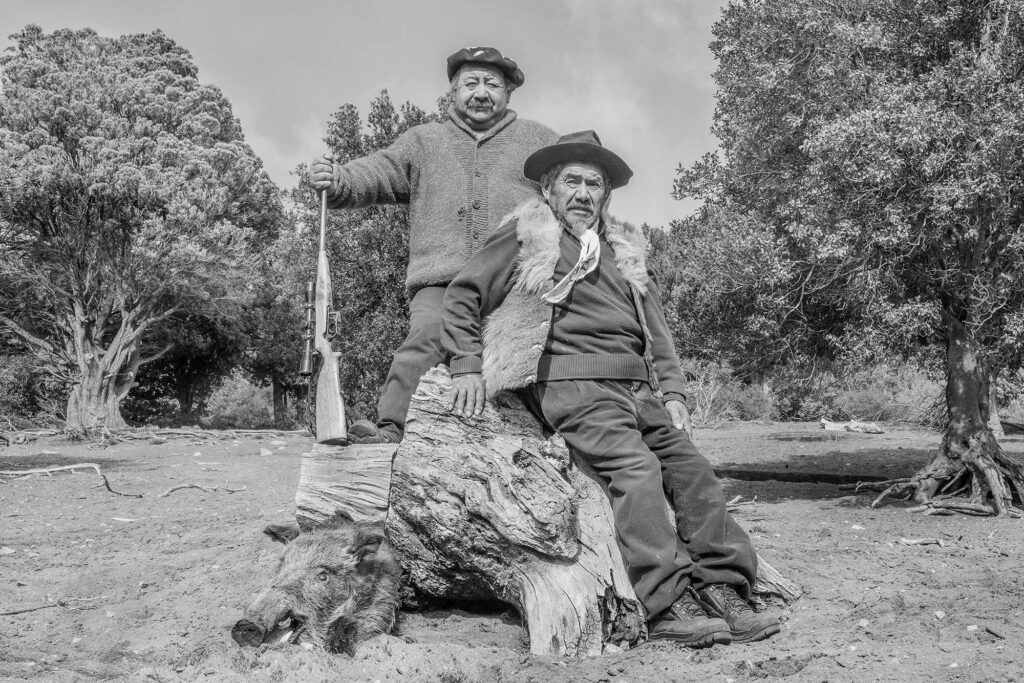
In Limbo focuses on the Paichil-Antriao and Quintriqueo communities in the province of Neuquén, near the shores of Lake Nahuel Huapi. Organized as Lof, they have been at the heart of a contentious legal and political battle with Milei’s government, which accused them of land usurpation. The conflict culminated with the Court ruling in favor of the communities, dismissing all accusations against them.
BIOPHILIA
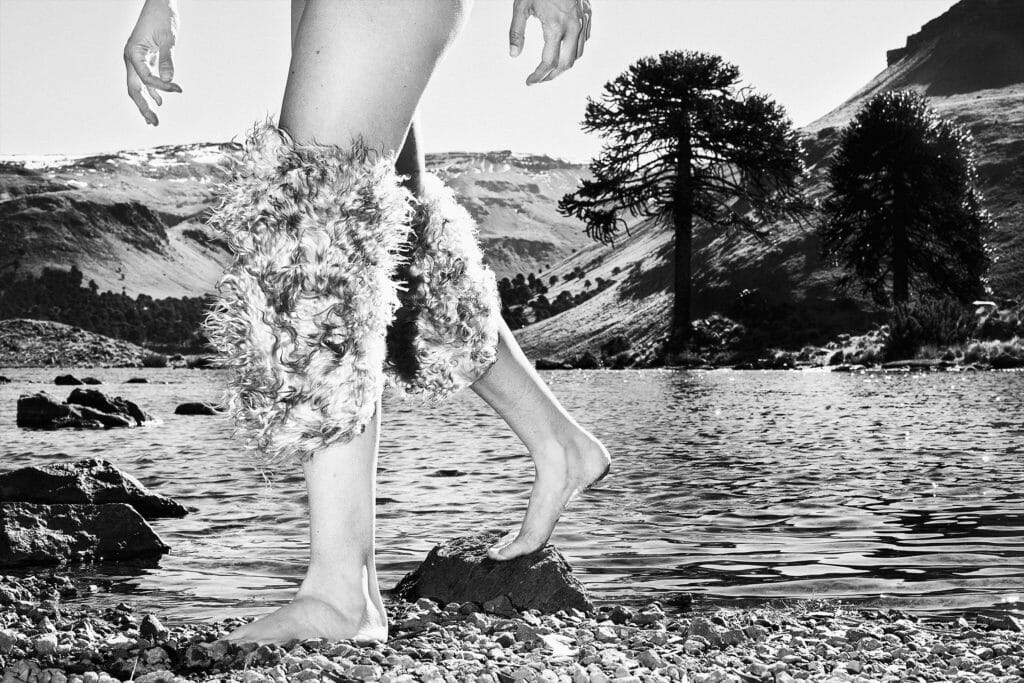
BIOPHILIA explores the increasing need for reconnection with the natural world as a necessary stage of human evolution. As humankind, we’ve had the privilege to live in a very peculiar age of transition. We’re globally facing historical moments of radical changes, in which almost every social structure has failed or is failing. Most of the dynamics that ruled our planet through the past two centuries are under fire.
The disorientation resulting from this much needed chaos leads all of us to rethink and possibly to reshape our lives. In different ways, nature turns out to be the asylum in which many people look for new models of living, or simple inspiration. BIOPHILIA explores the instinctive drive behind this phenomenon, which is deeply rooted in our DNA and goes beyond any cultural or social context.
PLACEBO • BsAs Spleen
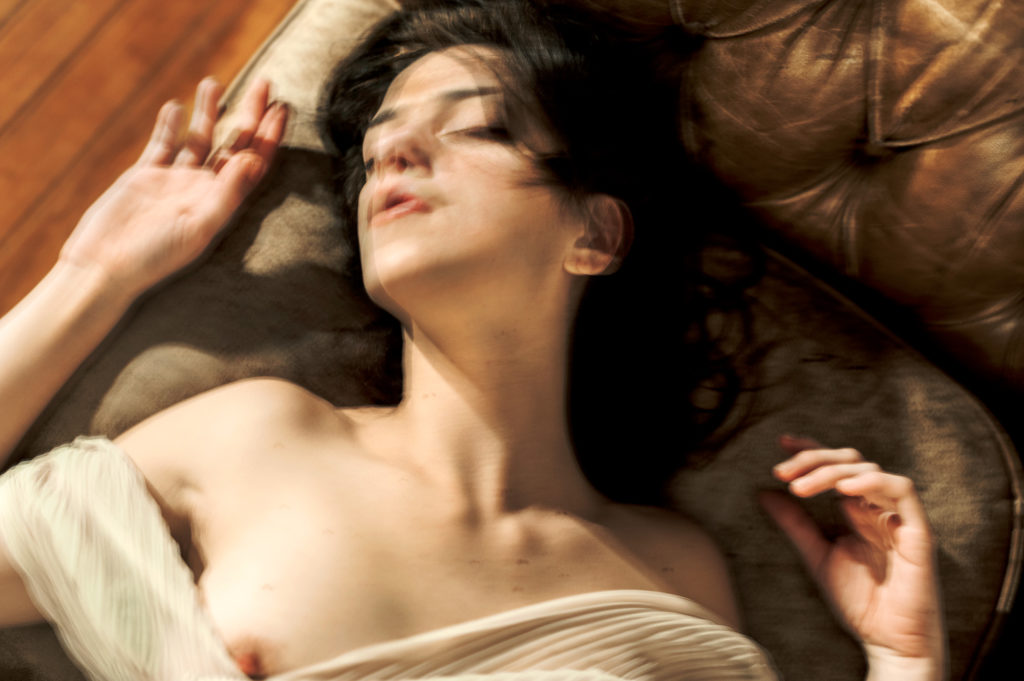
Buenos Aires Spleen is the second series within Placebo (2010-11). Consequential to the frenzy of A Rush of Light, this conclusive body of work offers a contemplative journey into the calm of after sex, a bittersweet glimpse into life after the petite mort.
The city’s lustful energy on summer nights turns into fleeting moments of peaceful pleasure. Fragments of stillness, the embrace of silence. From dusk till dawn, we surrender to our humanity, our sense of existence transforms. The dichotomy between tenderness and lust dissolves, providing solace to bodies and souls.
Through a midsummer night’s dream, time seems to halt. Our lives hover suspended, drifting over the city’s skyline, blending with the rhythmic shapes of our bodies. The air is warm, the streets smell of sulfur and strawberries. We blend together, seeking asylum from our intrinsic loneliness.
PLACEBO • A Rush Of Light
“Placebo is one of the most unsettling artworks I have seen. It captures the essence of the subconscious mind’s dance with desire.” — David Lynch, Paris 2012
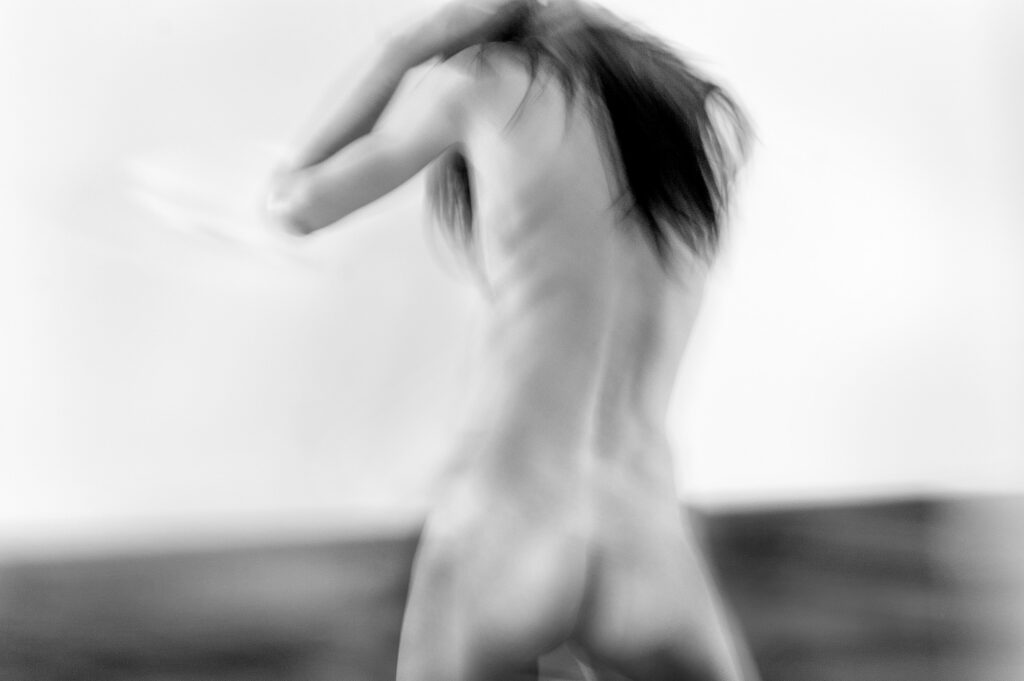
With Placebo, Vernaschi elevates eroticism to visual poetry, transcending the inherently controversial nature of sexual imagery and leading the viewer to experience ecstasy. The primary role of meaningful art is to challenge our comfort zones, and Placebo certainly achieves this on many levels. It confronts the viewer, drawing them into a tumultuous whirl of contrasting emotions—from arousal to fear, from bliss to shock. In doing so, Vernaschi compels us to confront our own sexuality, delve into our deepest and least explored desires, and challenge societal taboos.
The two autobiographical series forming this body of work, A Rush of Light and BsAs Spleen, leave no doubt that Placebo addresses the solitude in the often unsustainable quest to remain authentic in an increasingly vain world. It’s a seed of human beauty, a drop of truth. Gazing at his blurred, powerful photographs felt like a steel train running through my head, leaving my mind blown away.